When Is Home App Coming To Mac
It's hard to not have any smart tech in your home these days. Smart home tech is fairly ubiquitous, and most of us have some form of it in the house. Many of these products also utilize Apple's HomeKit (check out our ultimate guide), so you can control your house gadgets directly with your iOS device or even Mac.
- When Is Home App Coming To Mac 2017
- When Is Home App Coming To Mac Free
- When Is Home App Coming To Macbook
Oct 09, 2019 32-bit vs. 32-bit apps date back to a time when there were 32-bit processors and 32-bit operating systems, but are now outdated. Apple has long since transitioned to 64-bit processors. The Home app is coming to the Mac. Screenshot by Megan Wollerton/CNET At WWDC 2018 Monday, Apple announced MacOS Mojave.With the new software, we're getting the Home app on Mac. Jan 07, 2019 Using the Home app from your Mac means you don't have to look for your iPhone or tablet if you're at the desk and want to turn the lights off in a room that you're not using. Or if you want to lower the temperature in the house a bit, and your iOS device isn't right next to you, but you're at the computer, just do it from there. Jun 22, 2020 On Mac: Go to Edit Edit Home, then click Homes in the upper-left corner. Click the home that you want to leave, then scroll down and click Leave Home. If you remove someone from the Home app, they might still be able to control any accessories if they had permissions to do so in a separate app for that accessory.
But how do you get started with it on the Mac? Don't worry, we're going to walk you through it now.
How to set up Home app on Mac
Unfortunately, you can't directly set up the Home app on your Mac. Instead, you'll need to set it up on your iOS device first.
- Make sure that your HomeKit accessory is powered on and near your iOS device. You'll also want to double check if there is any additional equipment you need for it to work with iOS (i.e. Philips Hue Bridge for Philips Hue bulbs).
- On your iOS device, launch the Home app.
Tap on Add Accessory.
Scan the accessory's eight-digit HomeKit or QR code with your iOS device's camera. For those using an iPhone 7 or later and there's an NFC wireless icon on the accessory, you may hold your iPhone near the accessory to add it to the Home app.
- Tap on your accessory when it pops up on the screen to add it. If the prompt Add Accessory to Network pops up, select Allow.
Give your accessory a name and then assign it to a room. Organizing by room makes it easier to identify accessories in the Home app and control them with Siri.
- Tap Done.
In order to get your HomeKit accessories to show up in the Home app on Mac, you'll need to be signed in on the same Apple ID on both devices, have iCloud Keychain turned on, and make sure Home is toggled on in your iCloud Settings. Both iOS and your Mac should be updated with the latest software.
It's a bit disappointing that you're unable to add new accessories directly in the Mac version of the Home app, but you can still get most of the other features that Home is capable of.
Getting started with Home on macOS
When you first launch the Home app on your Mac, it'll ask for permission to connect to your iCloud account. When it gains access, it'll check for all of your HomeKit devices and add them to your 'Favorites' by default.
To turn a device ON/OFF, just click on it. Grayed out icons means that the device is currently OFF, while white means it's ON.
Right-click on a device and you'll get two options: Show Controls and Settings. The Settings allows you to do things like renaming your devices, which is useful when moving things around the house.
Settings will allow you to see the device name and room. From here you can add a device to your favorites list, include or exclude it from status updates (they are included by default), group accessories, and see details about the device manufacturer, model number, firmware, and serial number.
When you click on Show Controls, you'll have access to such things as dimming the lights, adjusting temperature, and more, depending on the devices you have. For those who use Philips Hue whit and color bulbs, Show Controls would also give you the option to change the color of your lights.
Automation for all
Even though it seems that Home for macOS is a little half-baked with the fact that you can't add devices directly, it's still a useful tool to have. Using the Home app from your Mac means you don't have to look for your iPhone or tablet if you're at the desk and want to turn the lights off in a room that you're not using. Or if you want to lower the temperature in the house a bit, and your iOS device isn't right next to you, but you're at the computer, just do it from there. It's never been easier, especially if you're lazy.

If you're not convinced about smart home tech, maybe the ability to control your house from your computer will change that.
HomeKit
Main
We may earn a commission for purchases using our links. Learn more.
My heartWhen Is Home App Coming To Mac 2017
This timelapse of macOS 10.0 through 10.15 is a nostalgic wonder
The very first version of macOS, or Mac OS X as it was known, arrived almost 20 years ago. This video takes us through every major update the Mac has seen since in one amazing timelapse.
Technology is ubiquitous, and it has started expanding its wings towards home. If you look around, you’d find that you are surrounded by smart technology even at your home. Now that smart technology is available to set you free of manual labor. Although, it is not bad to go along the technology to improve the lifestyle. But, you can also elevate your experience with the help of apps that can control your smart devices.
Can you download 3rd party apps on mac. Jun 25, 2015 Downloading third-party apps safely. Unlike the iPhone and iPad, the Mac can run software that's been downloaded from any source, though OS X's default security settings will only allow you to run apps that have been downloaded from the Mac App Store and from 'identified developers'—developers who have a digital certificate from Apple on file.
With companies developing the smart device controller apps, it has made it easier for you to perform actions over your such devices at home. Although, this smart device controller app can be used over Android and iPhone. However, you can also setup the Home app on Mac. Let’s see how:
What is the Home app?
The Home is developed by Smart HomeKit Automation, which is a centralized control app for all of your HomeKit-enabled smart devices. The app lets you control all the smart appliances that you’ve got at home. The devices that can be controlled could be any smart device from smart bulb to the smart door lock. With the Home app, you can monitor and control individual accessories. You can also download and install the software updates if you’ve HomePod at your place. This way, the Home app is a multi-device control center that can help you use your smart devices.
How to setup the Home app on your Mac?
The Home app must be set up on your iOS device first as currently you cannot directly set it up on your Mac. you may follow the below steps to set up the Home app on your iOS:
1. Download and install the Home app on your iPhone or iPad.
2. Launch the Home app on your device.
When Is Home App Coming To Mac Free
3. Make sure that your HomeKit accessory is powered on and is kept near to your iOS phone or tablet. You must ensure to have the supporting device of your smart device to work properly, if it requires one. (like Philips Hue Bridge for Philips Hue bulb).
4. Now, tap on ‘Add Accessory’.
5. Now, you may need to scan the QR code or manually enter the accessory’s eight-digit code with your iOS device’s camera. In case, you’re using an iPhone 7 or later, you may also use the NFC (Near Field Communicator) to add the device by holding the phone near the device.
6. Once you’re done scanning the code, you could see the accessory appearing on the screen. You may simply tap on it to add. Or, if you see a pop up saying, “Add Accessory to Network”, simply select ‘Allow’ to proceed.
7. Now that your accessory is added. It is time to give it a name and assign it to a room so that you can recognize it without confusion. Also, organizing by room makes it easy to identify when you’re trying to control it with Siri.
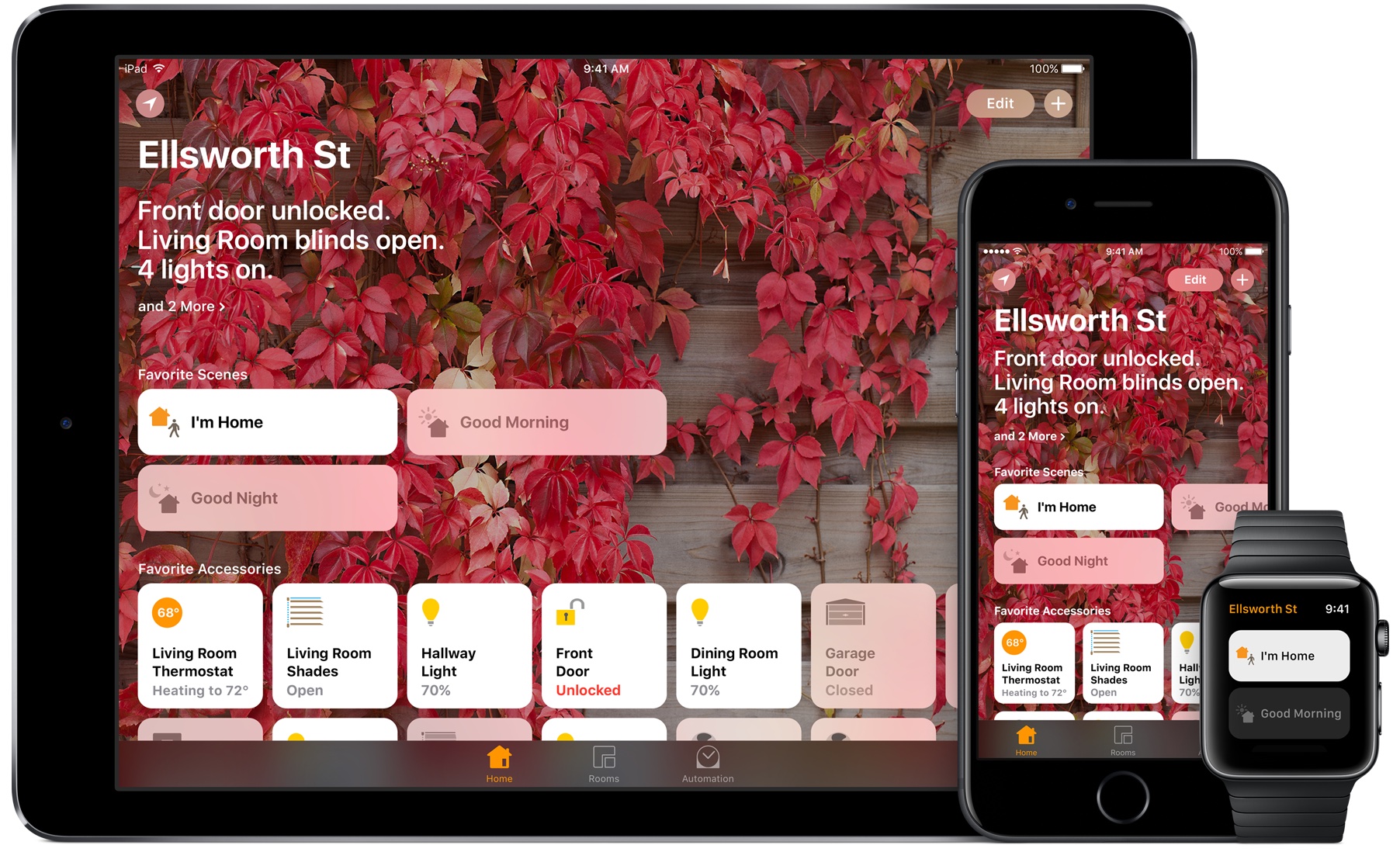
Now that you’ve set up the Home app on your iOS device, it is time to access it through your Mac. To operate the Home app on your Mac, you must ensure that you are signed in with the same Apple ID on your Mac that you’ve got on your iOS device and have the iCloud Keychain turned on. Also, make sure that the Home is toggled on in your iCloud Settings. This way, both your Mac and iPhone or the iPad would be able to access the Home app to control the smart devices across your home.
When Is Home App Coming To Macbook
Overall, it is not hard to get the home app setup on Mac. You can simply follow the steps listed above and get your smart devices controlled through your Mac. It is true that you may not be able to add devices to your Home app through Mac directly, but it is still worth having onboard. Once you’ve got the Home on you Mac, you wouldn’t have to locate your phone to turn on/off your smart devices. So, now you know how to set up the Home app on Mac, it is time to get started. In case, you wish to share your experience with the Home app, do let us know in the comments below.